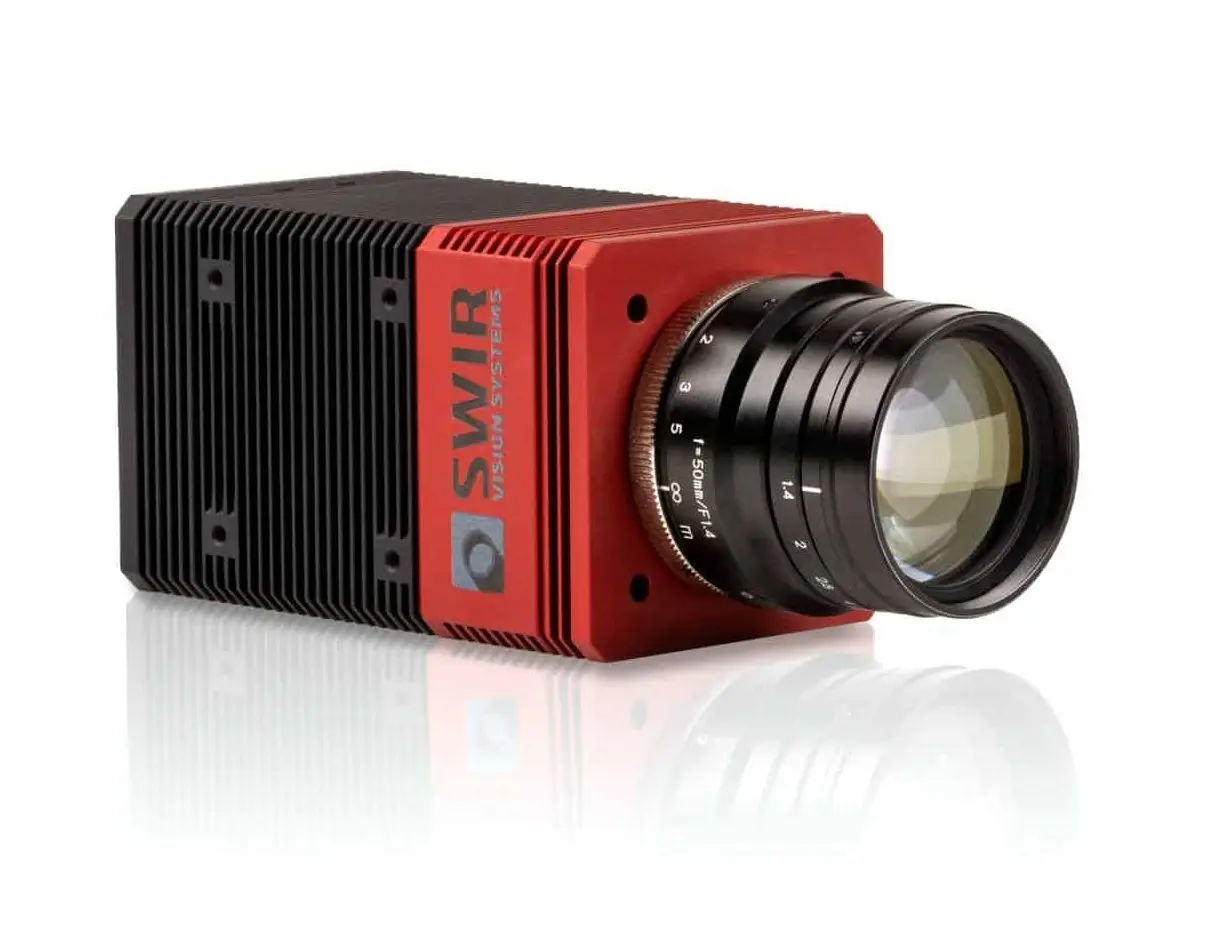
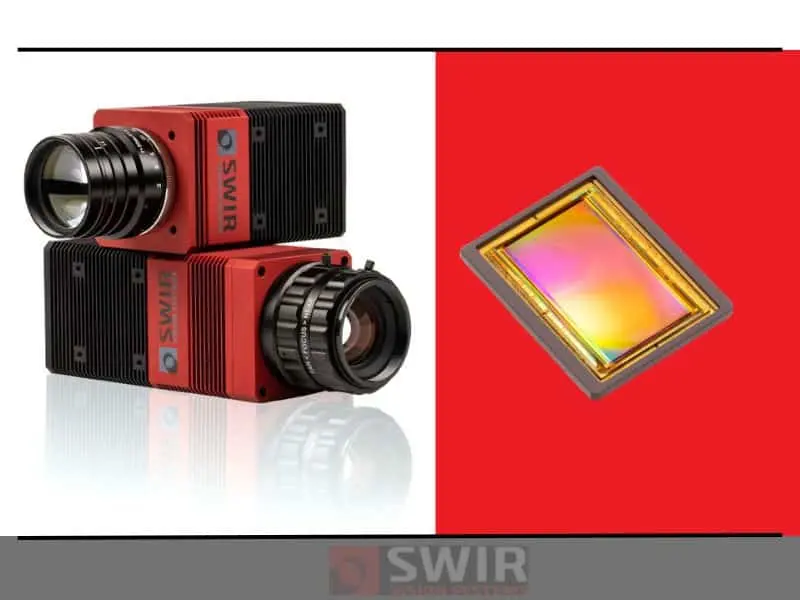
Unlocking the Potential of SWIR Imaging: Why TEC Cooling is Essential Short-wave infrared (SWIR) imaging cameras are game-changers in fields like industrial inspection, scientific research, and surveillance. These devices excel in capturing detailed imagery, even in challenging environments, thanks in large part to thermoelectric cooling (TEC). But what exactly makes.
The extended SWIR - Short-wave Infrared (eSWIR) - generally refers to wavelengths of light that start where traditional lattice-matched InGaAs stop absorbing, around 1700 nm, up to 2500 nm. Only a handful of detector technologies are capable of detecting photons in this spectral range, and solar illumination in that band.
Quantum dots (QDs) are tiny semiconductor particles with unique properties that differ from their bulk counterparts. Due to their nanometer-scale size, quantum dots are governed by quantum mechanics, and discrete energy levels are observed within the material. Tuning the quantum dot parameters alters attributes, which can be desirable for optoelectronics,.
For an imager, the purpose of the optic is to gather light, transmit as much as possible in the desired spectral band, and focus the rays on the correct points of the sensor. Many optical properties inherent to visible lenses can have severe consequences on image quality with a SWIR.
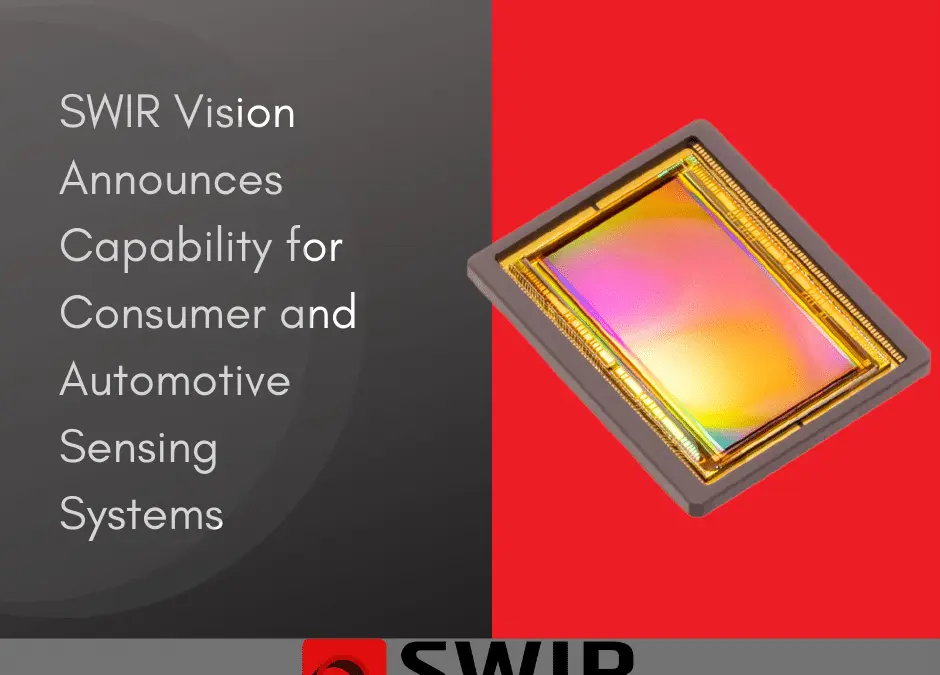
Solution for longer range, sunlight compatible, AR/VR and mobile device 3D depth sensing RESEARCH TRIANGLE PARK, NC, April 4th, 2022 – SWIR Vision Systems Inc. today announced breakthrough capability for its quantum dot based short wavelength infrared (SWIR) sensor technology. The company’s latest advancements, reported in a paper presented by the company.
We use cookies to ensure that we give you the best experience on our website. By using our website, you agree to the placement of these cookies. To learn more, read our Privacy Policy